


If you run a company in the construction sector, it is essential to manage your equipment fleet effectively. Whether you have ten or a hundred machines, pieces of equipment or vehicles, good management is necessary for your worksites to run smoothly, to make the best use of your resources and to reduce costs and delays. Here are a few tips to improve how you manage your equipment fleet.
In brief
Managing your equipment fleet well cuts costs and worksite delays. The keys: plan short- and long-term needs, choose quality equipment (or rent it for one-off needs), classify it by category, schedule preventive maintenance, keep stock up to date, assign equipment to worksites according to their specific requirements and monitor performance and costs. Fuel alone accounts for 15 to 30% of a fleet’s expenses. Management software centralises this data and automates maintenance reminders.
Strategic planning of the equipment fleet
You need to develop a short- and long-term vision by anticipating the equipment needs of your projects and assessing existing resources. This overall strategy ensures your equipment fleet is suited to the specific requirements of each future project.
You also need to take into account the costs of managing it, whether linked to purchases or equipment hire, as well as everything relating to servicing, maintenance and even storage. Keeping an eye on each project’s deadlines ensures equipment is available. The same goes for skilled labour needs. If necessary, you can set up training or call on external providers. All this will help you make the right decisions.
Choosing equipment
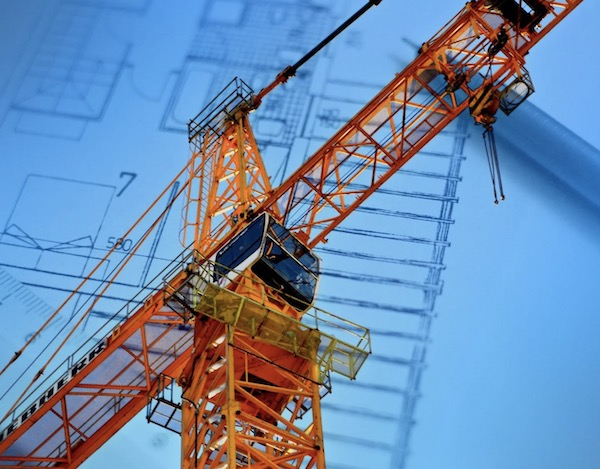
Equipment must be selected and purchased with care. It must be of good quality and suited to your projects’ requirements. Its operating costs, as well as the availability of spare parts and the expertise and responsiveness of the supplier’s technical support, should all be examined.
To save on initial costs, you can hire machines or tools for certain specific projects.
Note: fuel accounts for between 15 and 30% of the total expenses generated by an equipment fleet.
Classifying your equipment
To manage your equipment fleet, you first have to organise it. Earthmoving machines, extraction equipment, various hydraulic excavators, etc.: your equipment should be classified into categories and subcategories, even if you only have a few items. That way, for each worksite, you have an overview of your fleet, you know whether you have everything you need and whether it might make sense to hire a machine.
Maintenance and repairs
To extend the life of your construction equipment, avoid often costly breakdowns and keep everyone safe, it is important to schedule regular maintenance. Prevention is the most economical solution. As a maintenance history, detailed records of the work carried out on each piece of equipment are carefully kept. They include servicing dates, parts replaced and amounts paid. When you sell a machine or tool, they are a real guarantee of reliability and quality.
Stock management
Managing stock well reduces the costs of storing and maintaining equipment. To do this, you need to carry out an inventory of available machines and tools, update it regularly, monitor stock levels, anticipate future needs and hunt down unnecessary surpluses.
Optimising the use of resources
To boost productivity and reduce costs, you need to plan and organise the assignment of equipment to worksites, taking all their specific requirements into account.
Monitoring equipment performance
Fuel consumption, operating hours, maintenance costs, performance indicators, etc. Analysing all this information lets you assess how efficient and profitable your machines are. It tells you whether some are obsolete or should be reassigned.
Financial monitoring of the worksite equipment fleet
Managing your worksite equipment fleet necessarily involves good accounting. The costs of purchasing, using, depreciating and maintaining equipment are recorded. They can be analysed to optimise your company’s profitability and productivity.
- 1MapNeeds and budget per project
- 2ChooseBuy or rent
- 3ClassifyBy category
- 4MaintainPreventive maintenance
- 5AssignTo worksites
- 6MonitorPerformance and costs
Digitising your equipment fleet management
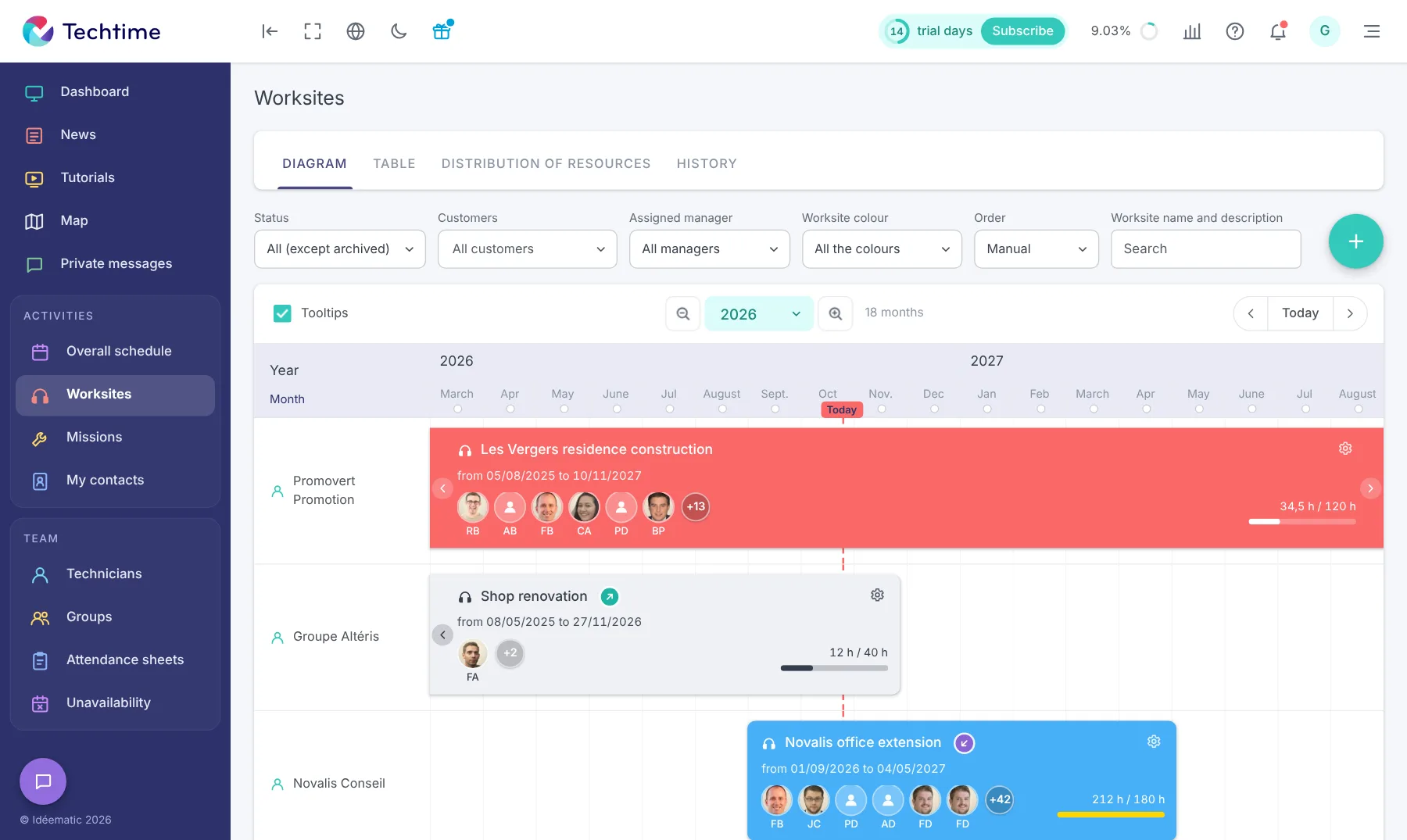
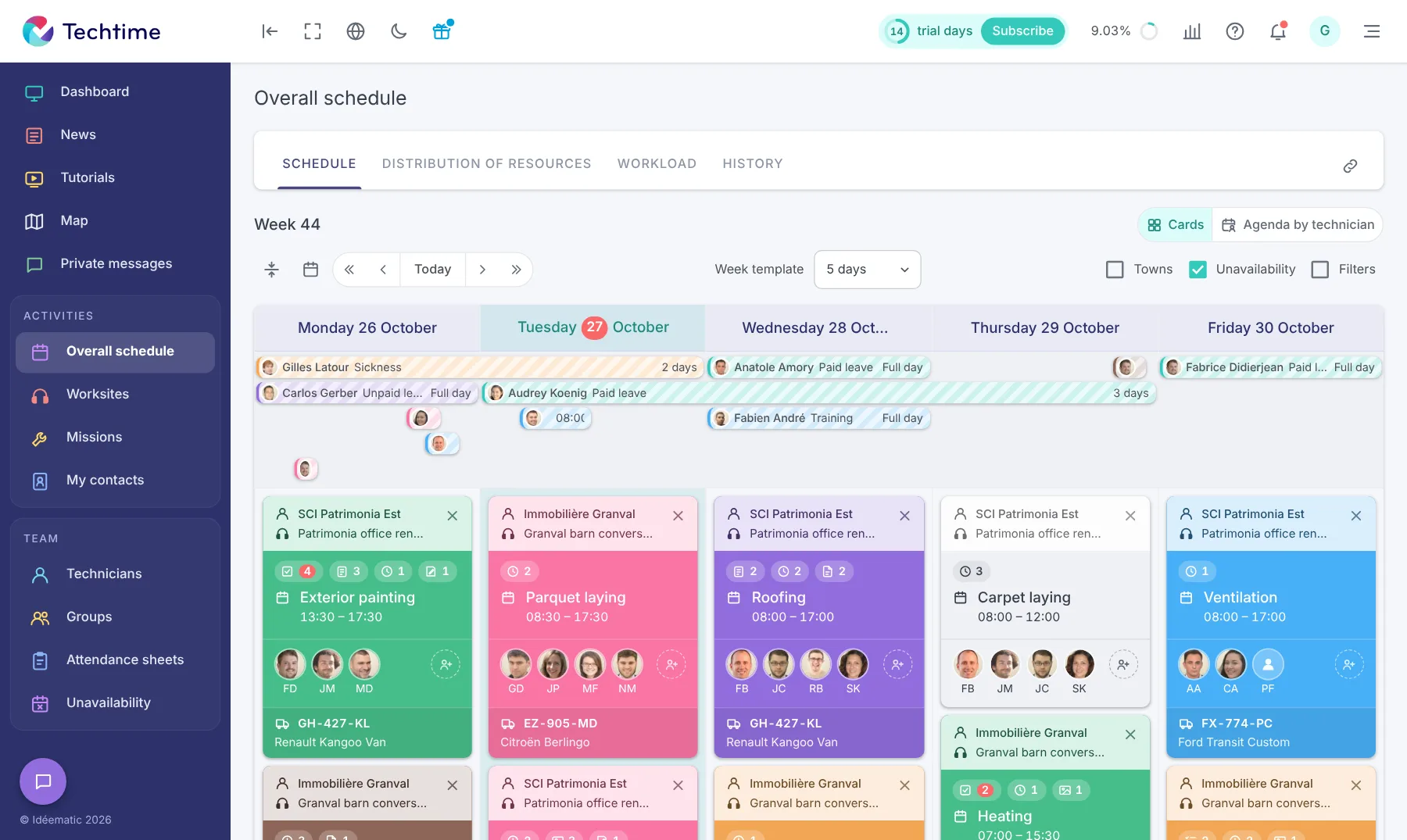
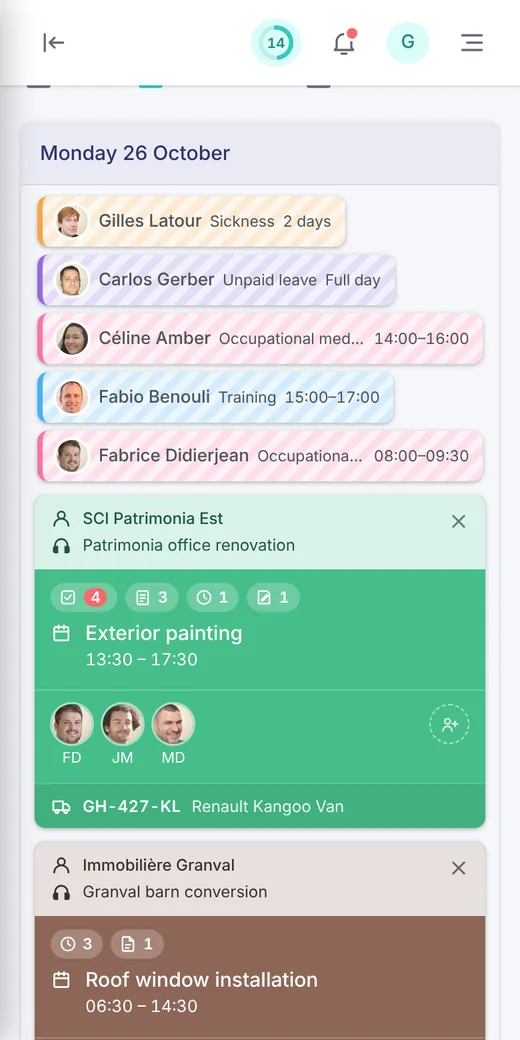
Managing a construction equipment fleet by hand is complex. Digital tools can make the task simpler and more efficient. Using them will make you more productive and reduce your overheads. Here is a selection of what this software can do for you:
- Asset and equipment management: Key information such as technical specifications, purchase dates, maintenance periods and operating costs of your equipment is centralised and recorded, and can be tracked and analysed. All your paper documents are stored, filed and backed up.
- Equipment tracking and geolocation: Each item is identified with tags or barcodes. All the information is centralised in your software, which lets you track the movements of your equipment on each worksite in real time. Traceability is guaranteed.
- Automated maintenance processes: So you don’t forget your maintenance operations, the software reminds you automatically. It can take many criteria into account, such as the number of hours your equipment has been used, performance indicators, etc.
- Managing equipment bookings and assignments: Software users, the teams, can see available equipment online and book what they need on a platform.
- Data collection and analysis: The data collected by the software makes it possible to produce reports on equipment performance, operating costs, etc. These reports help identify opportunities to improve productivity and reduce costs.
Centralised technical sheets and documents
Each item tracked in real time
Automatic reminders
Available equipment visible online
Performance and cost reports
To support the productivity and long-term future of your construction company, optimising the management of your worksite equipment fleet is essential. To do it as well as possible, it is advisable to use dedicated management tools that centralise and synchronise all the relevant data.
Frequently asked questions
How do you manage a worksite equipment fleet well?
By planning needs, choosing quality equipment suited to projects, classifying equipment by category, scheduling regular maintenance, managing stock and monitoring the performance and costs of each item.
What share of a fleet’s costs does fuel represent?
Fuel accounts for between 15 and 30% of the total expenses generated by an equipment fleet.
Why use equipment fleet management software?
It centralises equipment information, geolocates items, sends automatic maintenance reminders, manages bookings and produces reports that help cut costs and improve productivity.