


Please note: this article refers to French regulations and standards.
Nearly three quarters of all waste produced in France each year comes from construction. This is far from trivial and requires great responsibility and flawless management from building professionals. Types of waste, regulations, good practice: here are all our tips for managing worksite waste sorting properly.
In brief
Construction produces nearly three quarters of waste in France. To manage worksite waste sorting properly, there are three categories: inert waste (more than 70%: soil, rubble, concrete), non-hazardous, non-inert waste (more than 25%: wood, plastic, plaster) and hazardous waste (2%: asbestos, lead, paints), each sent to its own disposal route. The producing company is responsible for it until it is recovered. Quotes must include a “Waste” section, and a PEMD assessment is mandatory for certain demolition and renovation works.
What are the different types of worksite waste?
To manage worksite waste sorting properly, you need to distinguish the different categories of waste that can build up on site.
Inert waste
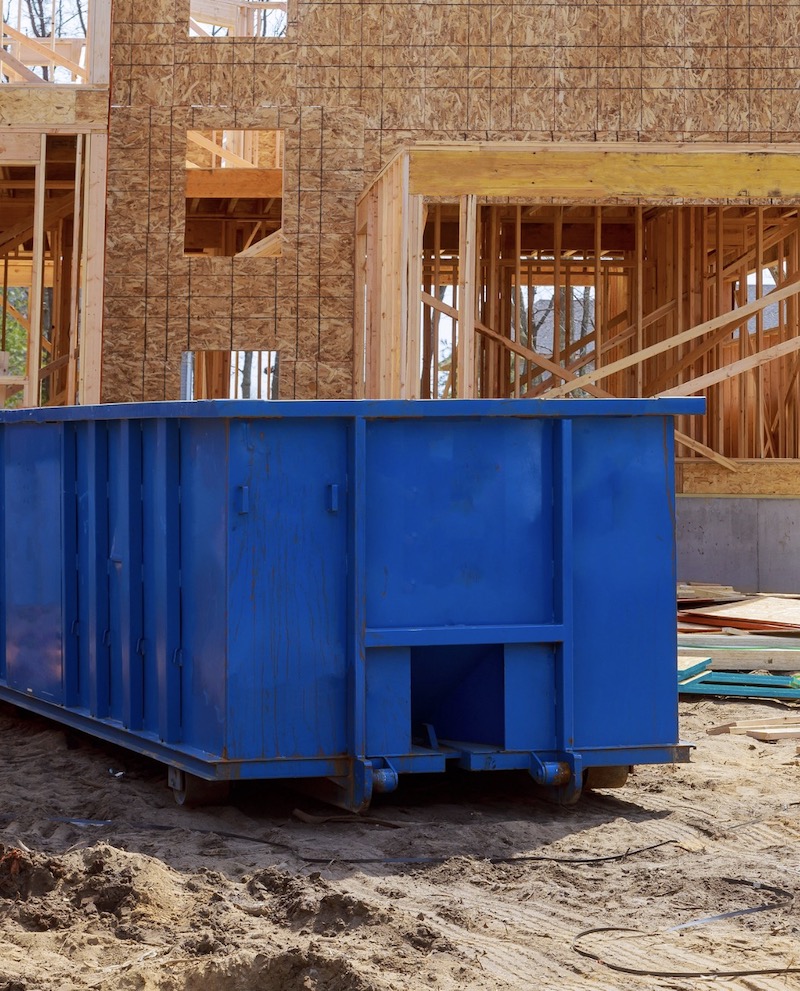
Inert waste is mineral waste that keeps its physical and chemical properties even once stored. It is not biodegradable, does not decompose and does not damage other materials stored with it.
Inert waste accounts for more than 70% of worksite waste. It includes:
- soil;
- natural stone;
- rubble;
- glass;
- bricks;
- concrete;
- roof tiles;
- earthworks materials, etc.
Inert waste is disposed of in recycling facilities or in inert waste storage facilities (ISDI).
Non-hazardous, non-inert waste
As the name suggests, this is waste that, while not inert, is not considered hazardous: it is non-corrosive and non-explosive. It is also known as “ordinary industrial waste”. It includes:
- wood;
- plastic;
- metals;
- plaster;
- packaging;
- insulation, etc.
Non-hazardous, non-inert waste accounts for more than 25% of worksite waste. Being non-recyclable and not eligible for incineration, this type of waste must be stored in non-hazardous waste storage facilities (ISDND). If it has not been sorted, it must be taken to a waste disposal centre.
Hazardous waste
This category of waste is considered hazardous because it contains toxic substances. Examples include:
- oils;
- tar;
- asbestos;
- lead;
- gas cylinders;
- paints and varnishes;
- hydrocarbons and their derivatives;
- equipment containing polychlorinated biphenyls (PCBs) or fluorinated gases.
Hazardous waste accounts for only 2% of worksite waste, but managing it requires great care. It must be packaged and labelled and not mixed with other types of waste. If it cannot be recovered, it must be stored in hazardous waste storage facilities (ISDD).
Who is responsible for worksite waste?
In construction, every company producing waste is responsible for it until it is recovered. This means either disposing of it yourself or entrusting its management to a third party.
To remove waste, the responsible company must use facilities that comply with the regulations and hold prefectoral authorisations allowing them to recycle and recover this waste.
Worksite waste management: what are the regulations?
When it comes to worksite waste management, French building professionals must comply with strict regulations.
A slip from waste collection facilities
Since 1 July 2021, it has been mandatory to include a “Waste” section in quotes for works, including renovation. Waste collection facilities must also provide a slip for each deposit of worksite waste.
As a building professional, you must state:
- the type of waste: inert, non-inert non-hazardous, hazardous;
- the quantity or volume of waste;
- how the waste will be managed and removed: on-site sorting, recycling, separate collection, etc.;
- the type of facility, name and contact details of each collection point: waste disposal centre, recycling centre, supplier, etc.;
- the estimated total cost of waste management: container hire, transport, treatment, labour, etc.
A PEMD assessment
Since 1 January 2022, the assessment of waste from demolition and renovation, known as the PEMD assessment (products, equipment, materials and waste), has been mandatory for managing worksite waste from demolition or renovation of buildings:
- with a floor area of more than 1,000 m²;
- that have housed agricultural, commercial or industrial activities and been used to store, manufacture or distribute hazardous substances.
It also applies to buildings where the works involve demolishing or replacing:
- floors or external partitions that do not determine the strength and rigidity of the structure;
- internal partitions;
- external door and window frames;
- sanitary and plumbing installations;
- electrical or heating installations.
Recycling or ISDI
ISDND, or a waste disposal centre if not sorted
Packaged, labelled, ISDD
3 good practices for managing worksite waste sorting
To manage worksite waste sorting properly, it is worth adopting a few good practices.
Collection skips
For good worksite waste management, it is recommended to have at least three collection skips, one for each category of waste: inert, non-inert non-hazardous and hazardous. There are different types of skip:
- for inert waste;
- for rubble;
- for ordinary industrial waste;
- for green waste;
- for recyclable waste;
- for bulky items.
You can buy or hire a collection skip, or turn to companies specialising in waste removal and treatment.
Rubble bags
Rubble bags are a good option if the volume of rubble is small or if the worksite is hard to access. You will find them in ordinary DIY stores.
For large volumes, you can opt for high-capacity bulk bags. However, you will need to hire a crane truck to move them.
Collection by truck
Collection by tipper truck is particularly suitable if you need to handle a large tonnage of waste on site or if waste must be removed quickly.
As you will have gathered, managing waste sorting properly is vital. To help you manage and plan your worksites (works tracking, management of resources, customers, suppliers, etc.), Techtime offers a web app and a mobile app to make your daily work easier.
Frequently asked questions
What are the three types of worksite waste?
Inert waste (soil, rubble, concrete, roof tiles), non-hazardous, non-inert waste (wood, plastic, metals, plaster, insulation) and hazardous waste (asbestos, lead, oils, paints, gas cylinders).
Who is responsible for worksite waste?
The company that produces the waste is responsible for it until it is recovered. It disposes of the waste itself or entrusts it to facilities authorised by the prefecture.
What should a quote say about waste?
Since 1 July 2021 in France, a “Waste” section stating the type and quantity of waste, how it will be managed and removed, the collection points and the estimated total cost of managing it.